Our History

Light, handed down.

Landscape lighting is a young art, and it was born in California. It began the moment the craft moved off high-voltage power and onto a gentler 12-volt current — trading a few big, bright floods for dozens of small, safe fixtures a designer could place like brush strokes. This is the line that runs from that breakthrough to the hands that do the work today.

The Line, At A Glance

A short history.

Before

The age of line voltage

Outdoor lighting ran on 120-volt household power — large, bright fixtures, buried in conduit and wired by an electrician. Built to flood a space, not to compose a garden.

1953

A spark in Redlands

California electrician Bill Locklin starts experimenting with soft, safe 12-volt automobile lamps in the landscape.

Late 1950s

Nightscaping

Locklin builds the low-voltage lamps; Rudyard Morley sells them. The landscape-lighting industry is born in California.

1984

The painter arrives

Abel Hurtix comes to Los Angeles as an artist, drawing and painting for a living.

1985

A new medium

At Rudyard Morley's lighting office, Abel discovers the trade — and begins painting with light.

1989

LightScaper

Abel founds his own firm, bringing a painter's composition to the gardens of Los Angeles.

Today

The same hands

Still owner-led, still aiming every fixture by eye after dark.

The Breakthrough · 1953

"See the effect, and not the source."

For decades, lighting a garden meant line voltage — a handful of large, powerful fixtures, buried in conduit and wired by an electrician, built to flood an area rather than shape it. There was light, but little room for art. Then, in Redlands, California, Bill Locklin began experimenting with 12-volt automobile lamps. The low voltage was safe to handle and ran on thin, flexible cable, so a fixture could be set — and moved — almost anywhere. Suddenly a designer held not a few floods but dozens of small, soft instruments: range enough to truly compose with light. From that came the first low-voltage fixtures, the company Nightscaping, and a motto that became the whole philosophy of the craft. Everything LightScaper does still answers to it. Read the Nightscaping history →

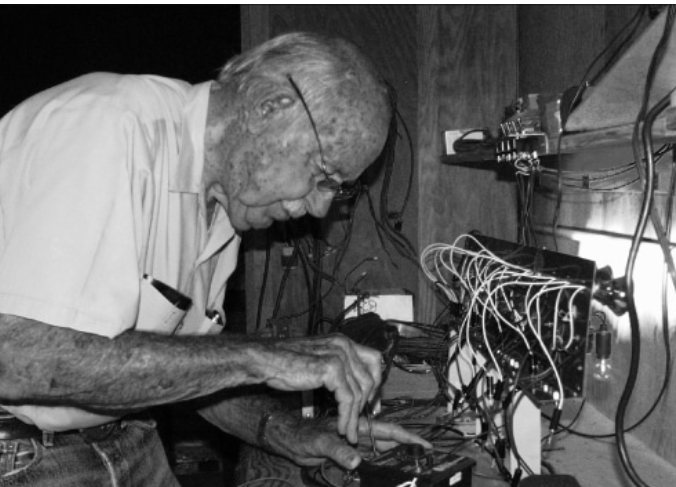
Rudyard Morley wiring a low-voltage lighting transformer
Rudyard Morley

The Pioneers · North Africa

Rudyard Morley.

Before there was a trade, there was a pilot. In the Second World War, Rudyard Morley flew bomber missions over Germany and across North Africa — until, on one of them, his aircraft was hit and forced down in the desert.

To bring the rescue planes in, he built a landing strip from what he had: the aircraft's own low-voltage lamps and batteries, laid out across the sand. And waiting there in the dark, he saw something no one had gone looking for — the dunes themselves, remade by that soft low-voltage glow into something quietly beautiful.

He never forgot it. Back home, he found his counterpart in Bill Locklin. Bill built the lamps in Redlands; Rudyard took them out into the world as Nightscaping's salesman. Between the maker and the seller, the landscape-lighting industry was born — and Rudyard became the mentor who handed the craft, hand to hand, to Abel Hurtix.

A desert, lit low and warm — and a lifetime's craft, born in the dark.
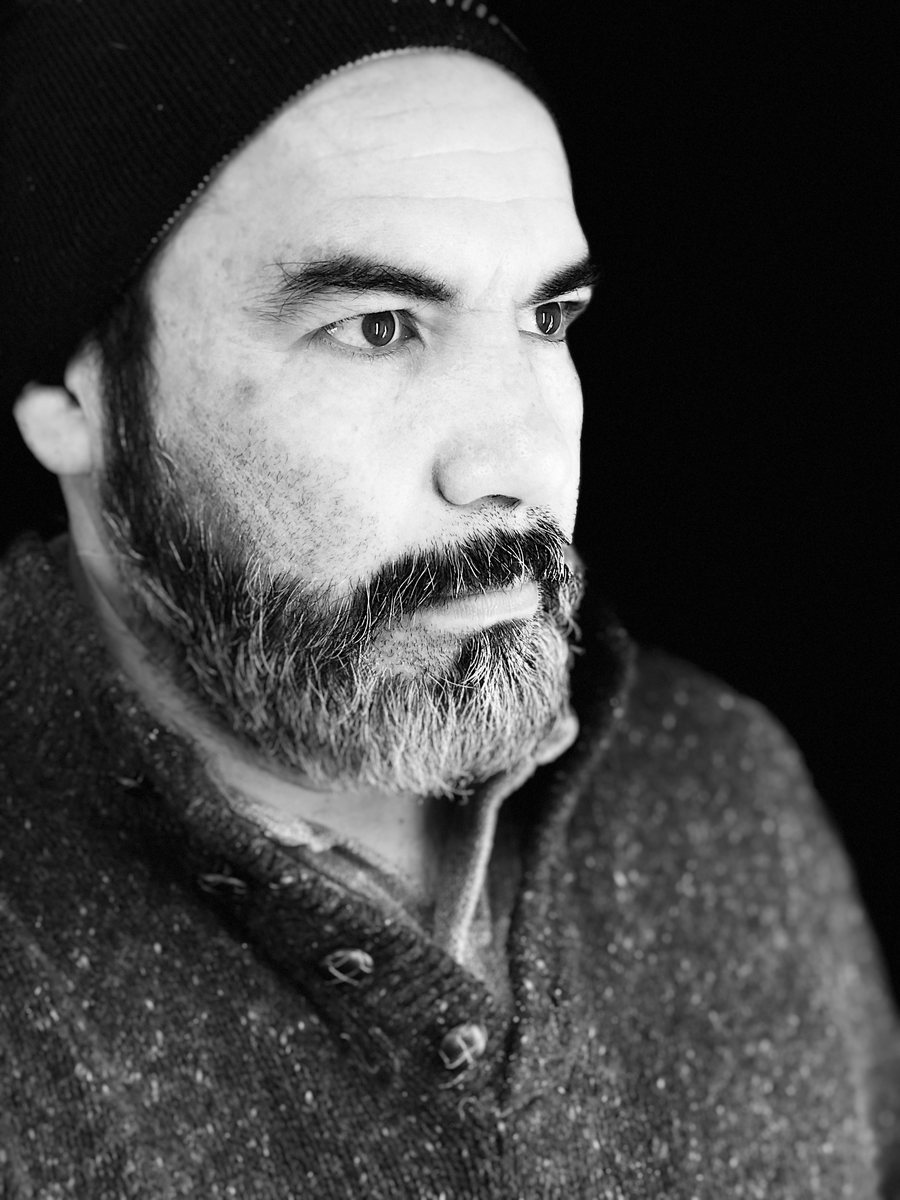
Abel Hurtix, founder of LightScaper
Abel Hurtix

1984 · The Painter

Abel Hurtix.

Abel Hurtix arrived in Los Angeles in 1984 as an artist. He made his living with pencil, charcoal, and watercolor — drawing the cover art for classic films as they were reissued on VHS, and showing work in the small galleries along Melrose.

The painting fed his eye, but it didn't pay the rent. So he went looking for work to keep the brushes moving.

A New Medium

Lighting, as a brush.

The work he found was at Distinctive Lighting — Rudyard Morley's Los Angeles sales office for Nightscaping. And there, the painter discovered lighting.

Everything he knew about composition came with him. The lamps became his brushes; the dark of night, his canvas; angle and intensity, his pigment. Silhouette, shadow, grazing — he composed a garden the way he had composed a drawing, painting feeling straight into the landscape.

He worked alongside Rudyard for years, learning the trade from one of the men who helped invent it.

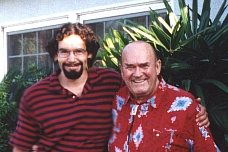
A young Abel Hurtix with his mentor Rudyard Morley
Abel & Rudyard
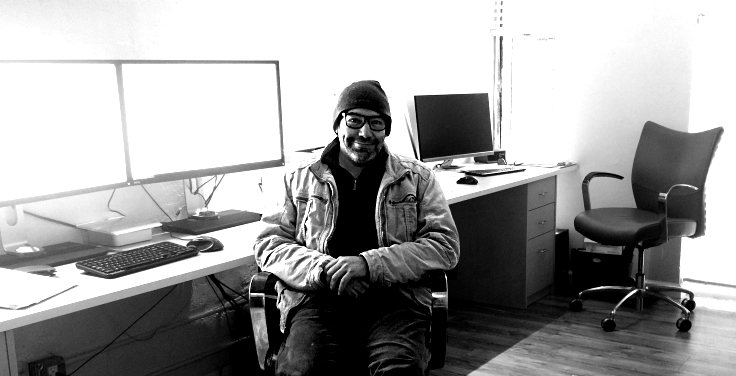
Abel Hurtix at the LightScaper design studio
The LightScaper studio

1989 · On His Own

LightScaper.

When Rudyard moved on, Abel set out on his own and founded LightScaper in 1989. By then he was a licensed electrician who had studied electrical engineering and the craft of lighting.

But he had entered the trade already carrying the thing that still sets his work apart — composition and drama, brought to a landscape to make an entirely new place after dark.

Made By Hand

Hurtix Craftsman Lighting.

The craft runs deeper than installation. Under the Hurtix Craftsman Lighting name, Abel designs and builds original fixtures by hand — copper and brass lanterns, rattan globes — honest materials, simple forms, clean lines.

It's the same belief in another form: a fixture worth looking at, making light worth living in.

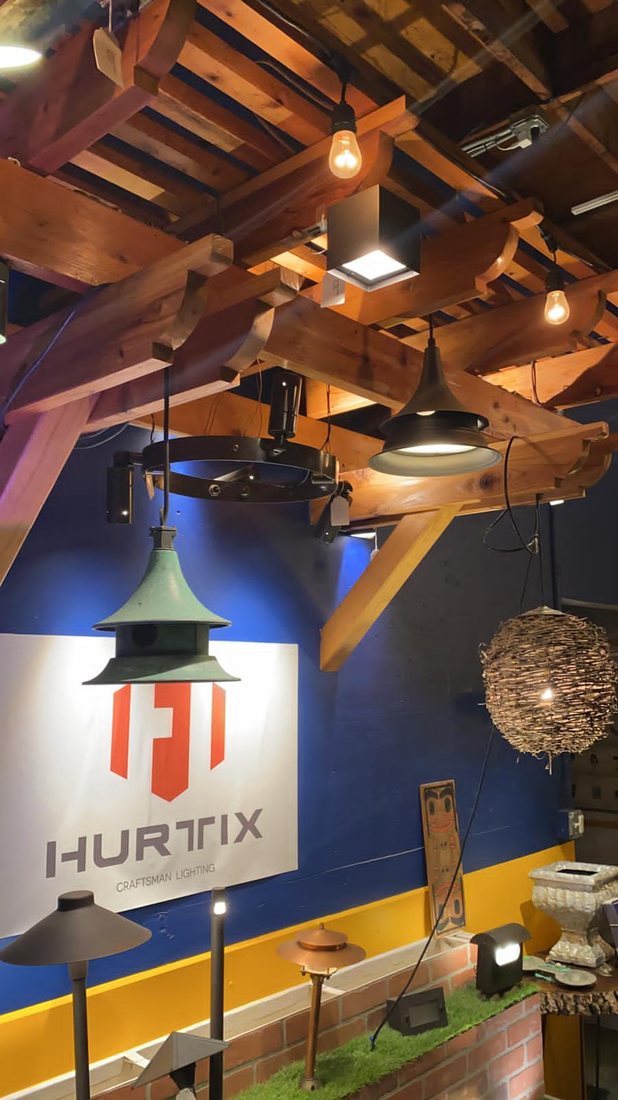
Handcrafted copper, brass, and rattan fixtures by Hurtix Craftsman Lighting
Hurtix Craftsman Lighting

Today

The same hands.

More than thirty-five years on, the line is unbroken — from Locklin's first low-voltage lamps, through Rudyard's bench, to Abel's design desk and the gardens of Los Angeles. Still owner-led. Still painting with light, by eye, after dark.

"You should see the home, the garden, the night — never the fixture. That's the whole job, and it hasn't changed since 1985."

Abel Hurtix · LightScaper

See where it leads.